

Blog / Battery Replacement

Blog

All Battery Replacement Ed Martin Toyota Noblesville Toyota Dealer Ed Martin Toyota Dealer Local Toyota Dealer Around Town Ed Martin Toyota Service Noblesville Toyota Service 2024 Lineup Local Service Center 2025 Model Year 2023 Lineup Toyota 2026 Toyota Models Noblesville Used Cars SUV Hybrid Sedans Toyota Camry Toyota Service Toyota 4Runner Toyota Tacoma 2026 Toyota Camry Brake Repair Car AC Tires Toyota Corolla Toyota Crown Toyota Highlander Toyota RAV4 2026 Toyota Corolla Electric Vehicles Electrical Repair Radiator Service Toyota Prius Toyota Sequoia Toyota SUV Toyota Tundra Truck 2026 Camry 2026 Toyota GR Supra 2026 Toyota Sequoia All-Wheel Drive Grand Highlander Hybrid sedans Oil Change Routine Maintenance SUVs Tire Alignment Tire Rotation Toyota Camry Hybrid Toyota Financing Toyota RAV4 Hybrid 2026 Toyota Corolla Cross 2026 Toyota Crown Signia 2026 Toyota lineup 2026 Toyota Prius 2026 Toyota Sienna 2026 Toyota Tacoma 2026 Toyota Tundra 2027 Land Cruiser 2027 Prius Plug-in Hybrid Crossover Headlights Minivan Toyota Corolla Cross Toyota Corolla Cross Hybrid Toyota Corolla Hatchback Toyota Corolla Hybrid Toyota Crown Signia Toyota Highlander Hybrid Toyota Land Cruiser Toyota Prius Plug-in Hybrid Toyota RAV4 Prime Toyota Venza
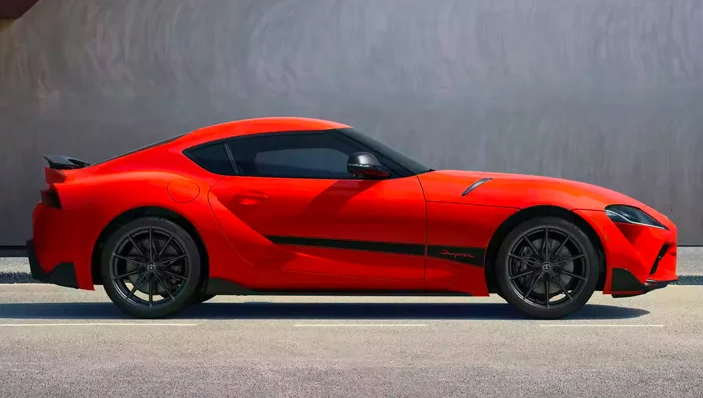
A red 2024 GR-Supra parked in front of a grey concrete wall, photographed from the side near Noblesville, IN

6 Benefits of Getting OEM Parts for Your Toyota

If you wish to buy a spare part for your vehicle, you have two options: aftermarket parts or Original Equipment Manufacturer(OEM) products. There are several reasons why your Toyota dealer will recommend OEM parts. more 1. Guaranteed Quality Genuine Toyota parts are carefully made using high-quality materials, which enhance their durability and allow them to perform to Toyota's standards. On the other hand, aftermarket parts are made by multiple manufacturers with cheap materials to fit a wide variety of vehicle brands, meaning there is no guarantee that the one you'll buy will be a perfect match for your vehicle. 2. Warranty Protection Most Toyota automobiles come with warranties that cover various components. When you use genuine products for repairs or maintenance, you can maintain the validity of your warranty. Using genetic parts can sometimes void the warranty if they cause damage or do not meet the manufacturer's standards. 3. Performance OEM products help support top-notch performance as they are designed to work in harmony with other vehicle components. They help retain your car's original features and capabilities. Aftermarket parts are often not as durable as original parts, potentially causing premature failure and damage to other parts, negatively impacting the vehicle's overall performance. 4. Compatibility Original parts are compatible with your specific model as they're made by the manufacturers of your vehicle. The dimensions and specifications are precisely the same. The only difference is that they're assigned as replacements during production instead of being used as part of another vehicle. This is particularly vital for replacing parts associated with major vehicle systems, like the engine and transmission. Generic parts may be ill-fitting enough to cause more costly repairs in the future. 5. Safety Toyota vehicles prioritize safety, and to help ensure you and your passengers travel safely, all vehicle parts must be in peak working condition. Genuine parts are designed and tested by the vehicle's original manufacturers to meet stringent safety standards. This ensures optimal performance under various conditions, contributing to the vehicle's overall safety on the road. Generic parts may not offer the same level of performance and may even negatively impact your car's efficiency. 6. Resale Value If you decide to sell or trade in your Toyota in the future, using genuine parts increases its resale value. Cars maintained with original parts often appeal to prospective buyers as they guarantee the vehicle's overall longevity. The best place to order genuine parts is at your dealership. For all your automotive needs, rely on experts with in-depth knowledge of your Toyota. Contact Ed Martin Toyota in Noblesville, IN, to order genuine Toyota parts. We also do expert installations and auto repairs at affordable rates. We'll ensure your vehicle is back on the road sooner than you can imagine.
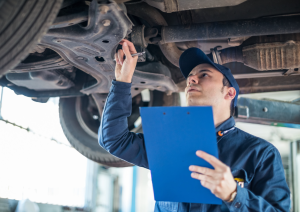
An auto inspection being performed at a service center near Noblesville, Toyota

5 Tips for Maintaining Your Toyota

Car maintenance does not have to be time-consuming or expensive. Investing a little time and effort in small maintenance tasks can save you money and time in the long run. As your Toyota dealer, we want you to get the most out of your car. That's why we've compiled a few easy Toyota maintenance tips that will keep your car running and looking its best. more Set Reminders for Toyota Maintenance Your smartphone can be a useful tool when it comes to car maintenance. With the ability to set reminders and notifications, you can easily stay on top of your car's maintenance needs. Refer to the owner's manual to determine how much time should elapse between maintenance visits for oil changes, tire rotations, and filter replacements. High-Quality Fuel When it comes to choosing fuel for your vehicle, saving a few pennies doesn't pay off in the long run. Be sure to use the grade of fuel recommended by the manufacturer in your owner's manual. Using a fuel with a lower octane than your car needs can cause reduced engine performance and/or long-term damage to the emissions system. Filling Up Protects Your Fuel Pump Occasionally forgetting to refuel on time is just part of being human. However, allowing the gas to run low repeatedly can have consequences, particularly for the car's fuel pump. A fuel pump relies on gasoline to lubricate and cool its internal components. If the fuel level is consistently low, the pump can be exposed to air, leading to overheating and possible damage. To ensure the longevity of your fuel system, make a habit of keeping the gas tank adequately filled. Tire Pressure Checks Your tires have a big role to play in the overall performance and safety of your vehicle. That is why tire pressure should be monitored at least once a month. The proper tire should be printed on a sticker inside the driver's door, or in your owner's manual. It's best to check tire pressure at least 3 hours after the vehicle was driven. Remember, hot weather makes rubber swell, so during the summer, try to check tire pressure early in the morning. Routine Maintenance at Your Toyota Dealer While there are many easy maintenance tips you can do yourself, they are no substitute for having routine maintenance done here at the dealership. Our highly-trained mechanics have in-depth expertise when it comes to Toyota's requirements and maintenance standards. They also have access to the most modern diagnostic tools and equipment, ensuring your vehicle gets the best care. When it comes to car maintenance, consistency is key. Regularly checking and maintaining essential components can help prevent major issues in the future. Stop by or contact us today at Ed Martin Toyota in Noblesville, IN to schedule routine maintenance.

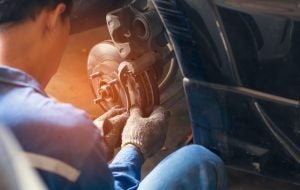
A person fixing a car's brakes near Noblesville, Indiana.

How Often Should You Replace Your Toyota's Brake Pads?

The brake pads on your Toyota are essential brake system components and must be thick enough to slow your vehicle down. To ensure that your RAV4, Corolla, or Tacoma is always safe to drive, it's vital to have regular brake inspections and pad replacements from the qualified technicians at your Toyota dealer. more Pad Wear and Thickness The lifespan of the pads depends on various factors, including your driving habits and the frequency with which you use your brakes. When you drive your car in heavy traffic and use your brakes often, your pads will wear faster, and if you tend to avoid congested roads and don't have to brake that often, your pads will last much longer. New pads typically measure between eight to twelve millimeters thick, but over time, they wear down. Generally, if your pads are seven millimeters thick or more, they should still work effectively. Once they reach a thickness of four to six millimeters, it's time to consider replacing them. If the pads wear down to three millimeters or less, replacing them as soon as possible is crucial for your safety. Brake Service and Pad Replacement Intervals Your vehicle's brakes must be serviced and tested regularly to ensure the pads never wear too thin, prevent brake failure, and keep you safe on the road. Toyota recommends a thorough brake inspection when the oil is changed every 5,000 miles or six months, whichever comes first. During each service, the Toyota technician will carefully inspect your car's brake system to ensure it's working properly. The technician will also check the pads for wear and measure their thickness. At the 10,000-mile interval, the technician will inspect the brake lines and hoses, and at the 20,000-mile maintenance interval, they'll replace the brake fluid if necessary. The recommended brake system inspection intervals for your specific Toyota model are in your owner's manual or speak to a Toyota technician. Genuine Toyota Brake Components It's important to use genuine Toyota brake components if you want the assurance that your brakes are working properly. Genuine Toyota brake components are designed and manufactured to fit your Toyota perfectly. Opting for ceramic pads can reduce noise, heat, and brake dust while prolonging the rotor life, guaranteeing excellent reliability and long-lasting braking performance. Plus, when you go to your dealer to replace your car's pads, you can trust that a factory-trained Toyota technician will expertly install them. The Importance of Replacing Pads Regularly Your car's pads must be thick enough to slow down and stop your car adequately. To maintain complete control of your vehicle, give you maximum stopping power, and optimize your braking performance, replace the pads before they wear too thin to ensure your safety behind the wheel. To give you the necessary braking power, head over to Ed Martin Toyota today for guaranteed brake performance every time you hit the pedal. The qualified Toyota technicians will thoroughly check your brakes, replace the pads if required, and ensure your brake system functions properly.

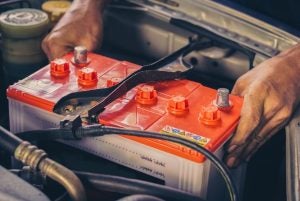
Car battery being replaced at a service center near Noblesville, Indiana

3 Signs Your Toyota Needs a New Car Battery

The battery has been an essential part of every car since 1918, and it provides the power to crank and start the engine. Their lifespan has improved over the years, but even the best battery will wear out. As your Toyota dealer, we can easily replace a worn or damaged battery when you need it. These are some signs to watch for that you need a new car battery. more Dim Lights If you see that your headlights are dim when your engine is off, this usually means that the bulbs are failing and will need replacement. Should you also see that the cabin and dash lights are also dim, this is a sign that your battery is starting to fail. When your engine is switched off, the battery provides power for numerous systems, including the lights, alarm, and sensors. One of the ways to test if the problem is battery-related is to switch on the engine and check the luminescence of the lights. When your engine is running, the alternator takes over from the battery and supplies all of your Toyota's electrical power. If the lights are brighter when the alternator is supplying power, your battery is failing and will need to be replaced. Weather Is Too Hot or Cold Extreme temperatures can play havoc with a car battery. Extreme heat or cold affects a battery's ability to work effectively and can even shorten its life. In a cold Indiana winter, your battery will use 30% to 60% more power to start your engine. The reason for this is that the chemical reactions in the battery are slower, and the oil thickens and makes the engine more difficult to start. Hot weather, on the other hand, can lead to battery damage through overheating; if your battery is aging, extreme heat can cause the electrolyte mixture in the battery to expand and damage the casing. Our technicians will check your battery for signs of environmental damage and install a new one if necessary. Corrosion on the Battery Terminals Corroded battery terminals are usually caused by a failing battery. A worn battery releases hydrogen gas that mixes with other gases in the engine to form hydrogen sulfide. Hydrogen sulfide is drawn back to your battery by the electrical charges from the terminals. The gas gradually forms a white, gray, or green acidic salt that will damage the battery terminals. Corroded terminals can be temporarily cleaned, but the corrosion will return. We advise replacing a corroded battery right away to prevent possible damage to other engine components. If you suspect a problem with your battery, call our service department today at Ed Martin Toyota. Our Toyota-trained technicians will speedily fix the problem.

Contact Us

Fill out this form below and we'll contact you shortly
*Required Fields